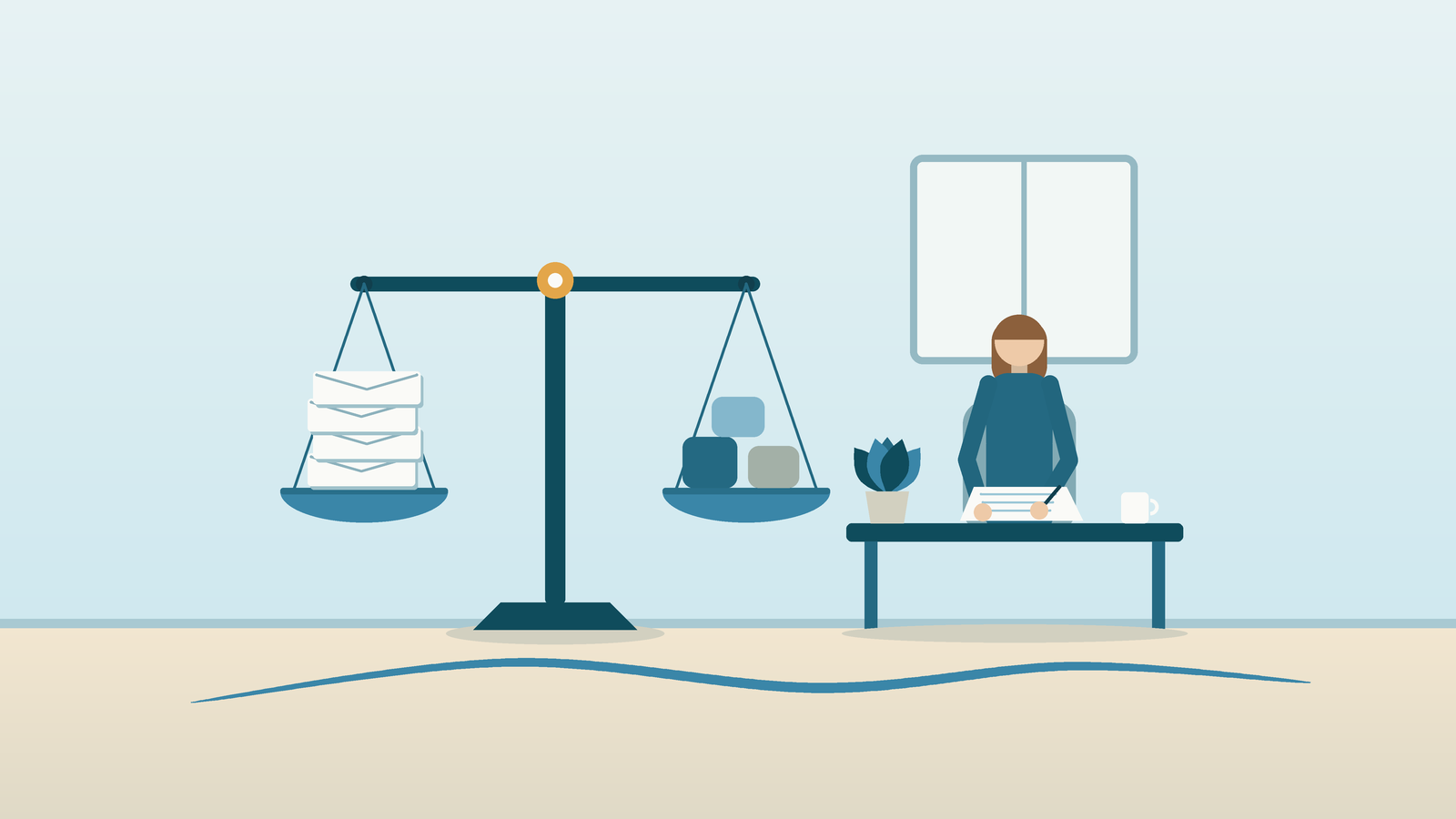
A lower ratio suggests more breathing room for a new payment. A higher ratio is a sign to borrow less, wait, or look at other options. This guide shows you how to calculate your ratio, what it can and cannot tell you, and how to size a payment you can afford.
What Is a Debt-to-Income Ratio?
Your debt-to-income ratio, often shortened to DTI, measures how much of your monthly income already goes to debt payments. It is usually shown as a percentage.
Lenders may look at your income and your existing debts when they review an application, because both affect how easily you can take on a new payment. You can use the same idea at home to decide whether a loan makes sense before you ever apply.
Think of DTI as a quick health check, not a final verdict. It is one useful number among several.
How to Calculate Your Debt-to-Income Ratio for Loans
You only need a recent pay stub, your bills, and a calculator. Work through these three parts:
- Add up your monthly debt payments. Include rent or a mortgage payment, car loans, student loans, minimum credit card payments, personal loans, and any court-ordered payments such as child support.
- Find your gross monthly income. This is what you earn before taxes and deductions. If your pay changes from month to month, use an average of recent months.
- Divide and convert. Divide your total monthly debt payments by your gross monthly income. Multiply the result by 100 to see it as a percentage.
Leave out everyday living costs like groceries, gas, and phone bills. Those matter a lot for your budget, but they are not part of the standard DTI formula.
What Your Ratio Can and Can't Tell You
Your DTI is helpful, but it has blind spots. Knowing them keeps you from leaning on it too hard.
What it can show you:
- How heavy your current debt load is compared with your pay
- Whether your debt burden is rising or falling over time
- How a new loan payment would change the picture
What it leaves out:
- Everyday costs such as food, utilities, childcare, and transportation
- Taxes and payroll deductions, since the formula uses gross pay
- Uneven income, overtime that may not last, or seasonal work
- Whether you have savings to fall back on
Because of these gaps, two people with the same ratio can have very different budgets. Always pair your DTI with a look at your real monthly spending.
Sizing a Loan Payment You Can Afford
After checking your ratio, test the payment against your take-home pay. This is where you find out whether a loan truly fits.
- Start with net pay. Use the amount that actually lands in your account on payday.
- Subtract your essentials. Take out housing, utilities, food, transportation, insurance, and existing debt payments.
- Keep a cushion. Leave some room for surprises, such as a higher utility bill or a missed shift.
- Match the payment to each payday. If payments are scheduled with your pay frequency, check that each one fits the paycheck it comes out of.
- Borrow for one clear purpose. Put a number on the specific expense you need to cover, then avoid borrowing extra just because it is offered.
A smaller loan paid off sooner usually costs less in total. If the payment only fits when everything goes right, consider borrowing less or waiting. Our guide on what to do if you can't make a loan payment covers the warning signs of a payment that is too tight.
Ways to Lower Your Debt-to-Income Ratio
If your ratio feels high, you can work on both sides of the equation over time.
- Pay down balances. Focusing extra money on one debt at a time can reduce your monthly obligations as accounts are paid off.
- Pause new debt. Avoid opening new credit while you are trying to bring the ratio down.
- Ask about payment plans. Some billers offer lower payments or more time if you ask before you fall behind.
- Grow your income where you can. Extra shifts, side work, or selling items you no longer use can all help.
Small changes add up. Recalculating your ratio every few months shows whether your plan is working. If a surprise expense is behind your borrowing, our guide to building an emergency fund on a tight budget can help you prepare for the next one.
Choosing an Amount Between $200 and $3,000 with River Valley Loans
River Valley Loans offers installment loans from $200 to $3,000. First-time borrowers may qualify for up to $3,000, although the top amount is not available to every applicant.
The amount you are offered follows a review of your application. Your APR and finance charges depend on factors such as your credit and payment history, income, employment, and existing debt and types of debt. The amount you borrow and how long the loan stays outstanding also affect your cost.
That last point matters for sizing. Borrowing only what you need, and paying it back as quickly as your budget allows, can lower what you pay overall. Our guide on paying off an installment loan early explains how that works.
Keep in mind that this kind of loan is expensive and is not designed to solve long-term money problems. Our rates and terms page breaks down how APR is set and which fees can apply.
Key Takeaways
- Your debt-to-income ratio compares monthly debt payments with gross monthly income.
- It is a helpful quick check, but it leaves out living costs, taxes, and uneven income.
- Test any new payment against your take-home pay after essentials, with a cushion left over.
- Borrowing less and repaying sooner generally lowers the total cost of a loan.
- If a payment only fits when nothing goes wrong, consider borrowing less or waiting.
Frequently Asked Questions
What counts as debt in a debt-to-income ratio?
Count recurring payments you are required to make on money you owe. That usually includes rent or a mortgage payment, car loans, student loans, minimum credit card payments, personal loans, and court-ordered payments like child support. Everyday costs such as groceries, utilities, gas, and phone service are not part of the standard formula, though they still matter for your budget.
Should I use gross pay or take-home pay when planning a loan?
Use gross pay to calculate your DTI, since that is how the ratio is normally defined. When you decide whether a payment is affordable, switch to take-home pay. Net pay is the money you can actually spend after taxes and deductions, so it gives a more realistic view of what a new payment will do to your budget.
Is there one DTI number that all lenders use?
No. Each lender sets its own standards, and your ratio is usually just one factor alongside things like income, employment, and payment history.
Instead of aiming for a specific number, focus on whether the new payment fits comfortably after your essentials. A ratio that looks fine on paper can still feel tight if your living costs are high.
Does my debt-to-income ratio affect my credit score?
Not directly. Credit reports generally do not include your income, so the ratio itself is not part of common credit scores.
The debts behind it can still matter, though. High balances on credit cards and missed payments on reported accounts can affect your scores, which is one more reason to keep new borrowing modest.
How often should I recalculate my ratio?
Recalculate whenever your income or debts change in a meaningful way, such as a new job, a raise, a paid-off loan, or a new credit account. Otherwise, a check every few months works well. Tracking the number over time shows whether your debt load is shrinking and helps you decide when taking on a new payment might be reasonable.