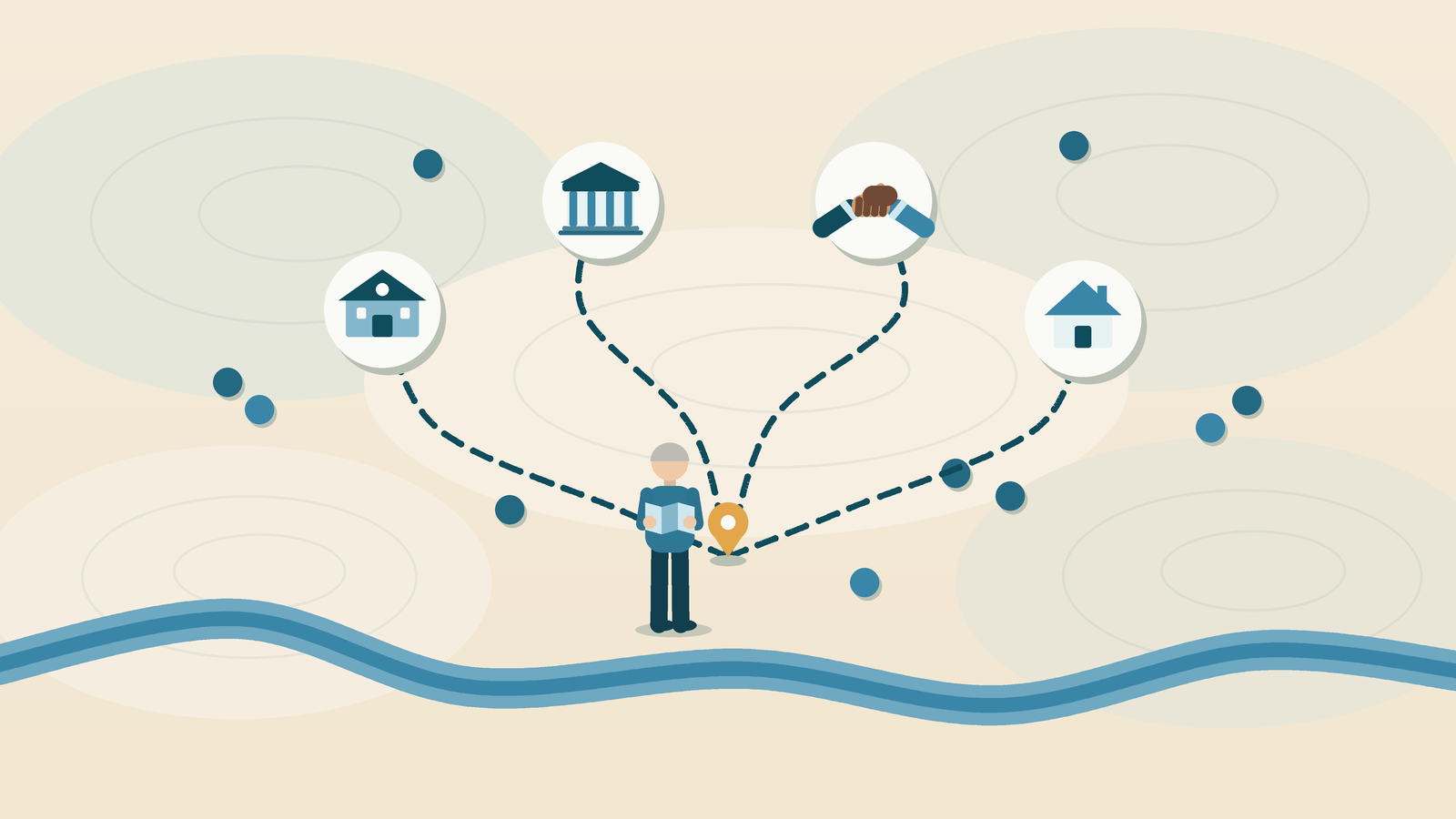
Checking these first takes a little time, but it can save real money. If none of them work for you, make sure you understand the full cost of any high-cost loan before you agree to it. This guide covers the main options and the questions to ask about each.
Ask the Company You Owe for More Time
If a specific bill is behind your need to borrow, start with the company that sent it. Many utilities, medical providers, landlords, and phone companies have payment plans or hardship programs.
A payment plan spreads the bill over several months, often with little or no added cost. Some billers can also pause a payment, lower a bill, or connect you with assistance programs.
Call before the due date if you can. Be clear about what you can pay and when, and ask for any agreement in writing.
It also helps to ask whether the bill itself is correct. Errors happen, especially with medical and utility charges, and an itemized statement can reveal a charge you should not owe.
Credit Union and Community Bank Options
Credit unions are nonprofit, member-owned financial institutions. Many offer small personal loans at costs that are often lower than high-cost lenders charge.
Some federal credit unions offer small-dollar loans known as payday alternative loans. These follow federal credit union rules designed to keep them more affordable than typical payday loans.
You usually need to be a member to borrow, and membership is often based on where you live, work, or worship. Community banks may also offer small personal loans, especially to existing customers.
Employer and Paycheck-Based Options
Your job may offer a way to reach your pay a little early.
- Payroll advances. Some employers will advance part of a paycheck you have already earned, then deduct it from a later check.
- Earned wage access. Some employers partner with apps that let you draw on wages you have already worked for.
- Cash advance apps. Standalone apps offer small advances against your next paycheck.
These options can cost less than a high-cost loan, but they are not always free. Watch for subscription charges, fast-transfer fees, and requests for optional tips. Also remember that an advance shrinks your next paycheck, which can start the same shortfall again.
Local Assistance and Community Help
Community programs can help with essential costs so you do not need to borrow at all.
- Dial 211. In most areas, this free line connects you with local help for rent, utilities, food, and other basics.
- Community action agencies. These local organizations often run energy assistance and emergency support programs.
- Charities and faith-based groups. Food pantries and local groups may help with specific bills or needs.
- Utility assistance programs. Many utilities and states run programs that help with heating and cooling costs.
Some programs have waiting lists or limited funds, so reach out early and ask several places at once. A caseworker or program staff member may also know of help you would not find on your own.
Borrowing from family or friends is another option. If you go this route, write down the amount and the repayment plan so everyone shares the same expectations.
Other Options to Weigh Carefully
Some alternatives carry their own risks. They may still beat a high-cost loan, but read the terms closely.
| Option | What to check first |
|---|---|
| Credit card purchase | The interest rate, and whether you can pay the balance down quickly |
| Credit card cash advance | Cash advance fees and interest that may start right away |
| Pawn loan | Whether you can repay in time, since you could lose the item |
| Selling unused items | How quickly you can sell, and whether the price covers your need |
| Nonprofit credit counseling | Whether the agency is reputable and explains fees up front |
Be wary of any offer that sounds too good to be true. Our guide on how to spot loan scams explains the warning signs, such as upfront fees and pressure to decide fast.
Comparing Your Choices Side by Side
Once you have a few options, compare them on the same points so the decision is clearer.
- Total cost. Add up interest and fees in dollars, not just the rate.
- Repayment timing. Check whether you repay in one lump sum or in smaller payments over time.
- Risk if you miss a payment. Look at fees, collections, or the chance of losing property.
- Effect on your budget. Make sure each payment fits after rent, food, and utilities.
- Effect on credit. Some options report to credit bureaus, and some do not.
The Consumer Financial Protection Bureau has free tools for comparing borrowing choices at consumerfinance.gov. Our explainer on tribal installment loans vs. payday loans can also help you compare those two loan types.
When River Valley Loans May or May Not Be the Right Fit
Our loans are expensive, and they are not a long-term answer to money problems. They may still make sense in some situations after you have checked the options above.
It may fit if:
- You have looked at lower-cost alternatives and they did not cover your need.
- You need a specific amount between $200 and $3,000 for a clear purpose.
- You have steady income and can afford each scheduled payment after your essentials.
- You prefer repaying over several months instead of one lump sum.
It may not fit if:
- You need a long-term fix for ongoing budget shortfalls or large existing debts.
- The payments would crowd out rent, food, or utilities.
- You are in active bankruptcy, or your only account is a prepaid card account, which we do not accept.
- You live in a state we do not currently serve. You can check availability and costs on our rates and terms page.
If a loan does fit your situation, you can see the requirements on our page about applying. Building a small cushion afterward can help you avoid borrowing next time, and our guide to starting an emergency fund on a tight budget shows how.
Key Takeaways
- Payment plans, credit union loans, and local assistance often cost less than high-cost loans.
- Paycheck advances and cash advance apps can help, but watch for fees and a smaller next paycheck.
- Compare every option on total cost, repayment timing, risk, and effect on your budget.
- A high-cost installment loan may fit only after lower-cost options are checked and the payments are affordable.
Frequently Asked Questions
What is a payday alternative loan?
A payday alternative loan is a small-dollar loan offered by some federal credit unions. It is designed as a more affordable option than a typical payday loan and follows federal credit union rules on how it can be structured. You generally need to be a member of the credit union to qualify, so ask about membership when you inquire.
Are cash advance apps a good alternative?
They can be, depending on the costs and how you use them. Some apps charge subscription fees, fast-funding fees, or ask for tips, which add up over time.
Because the advance is repaid from your next paycheck, you may come up short again. Read the fee details carefully and use them for occasional gaps, not as a regular habit.
Can I negotiate a medical or utility bill instead of borrowing?
Often, yes. Many medical providers and utility companies offer payment plans, hardship programs, or discounts if you ask. Call before the due date, explain your situation, and ask what options exist.
Get any agreement in writing. Setting up a plan with the biller can cost far less than taking out a loan to pay it.
Is borrowing from family or friends a good idea?
It can be a lower-cost option, but it works best with clear expectations. Agree on the amount, the repayment dates, and what happens if plans change, and write it down.
Being open about your situation protects the relationship. If repayment would strain the relationship or your budget, a formal payment plan with the biller may be a better choice.