If you have ever asked, "How do tribal lenders work?", the answer starts with tribal sovereignty. This guide explains what sovereignty means, how the federal, tribal, and state layers interact, and what that setup means for you as a borrower.
This article is general information, not legal advice. If you have a question about your own situation, a legal aid office or a licensed attorney can help.
What Tribal Sovereignty Means
Federally recognized tribes are sovereign nations. They have their own governments, write their own laws, and many run their own courts and regulatory agencies.
The United States deals with these tribes on a government-to-government basis. In practice, that means a tribe can make rules for businesses it owns, much as a state sets rules for businesses it licenses.
Many tribes operate businesses, often called tribal enterprises, to support their communities. Revenue from these enterprises can help fund services for tribal members, such as housing, health programs, and education.
How Do Tribal Lenders Work?
A tribal lender usually starts when a tribe creates or authorizes a lending business under its own laws. The tribe may adopt a lending code that sets out how loans must be made, disclosed, and serviced.
A tribal regulatory body then licenses and oversees the lender. That body can review the lender's practices and hear consumer disputes, depending on how the tribe's code is written.
Most tribal lenders make loans online, which lets them serve borrowers who live far from tribal land. Each lender decides which states it will lend in, so availability can vary from one company to the next.
Your loan agreement ties all of this together. It names the laws that govern the loan, explains the costs, and describes how you can raise a complaint or dispute.
The Three Layers: Federal, Tribal, and State
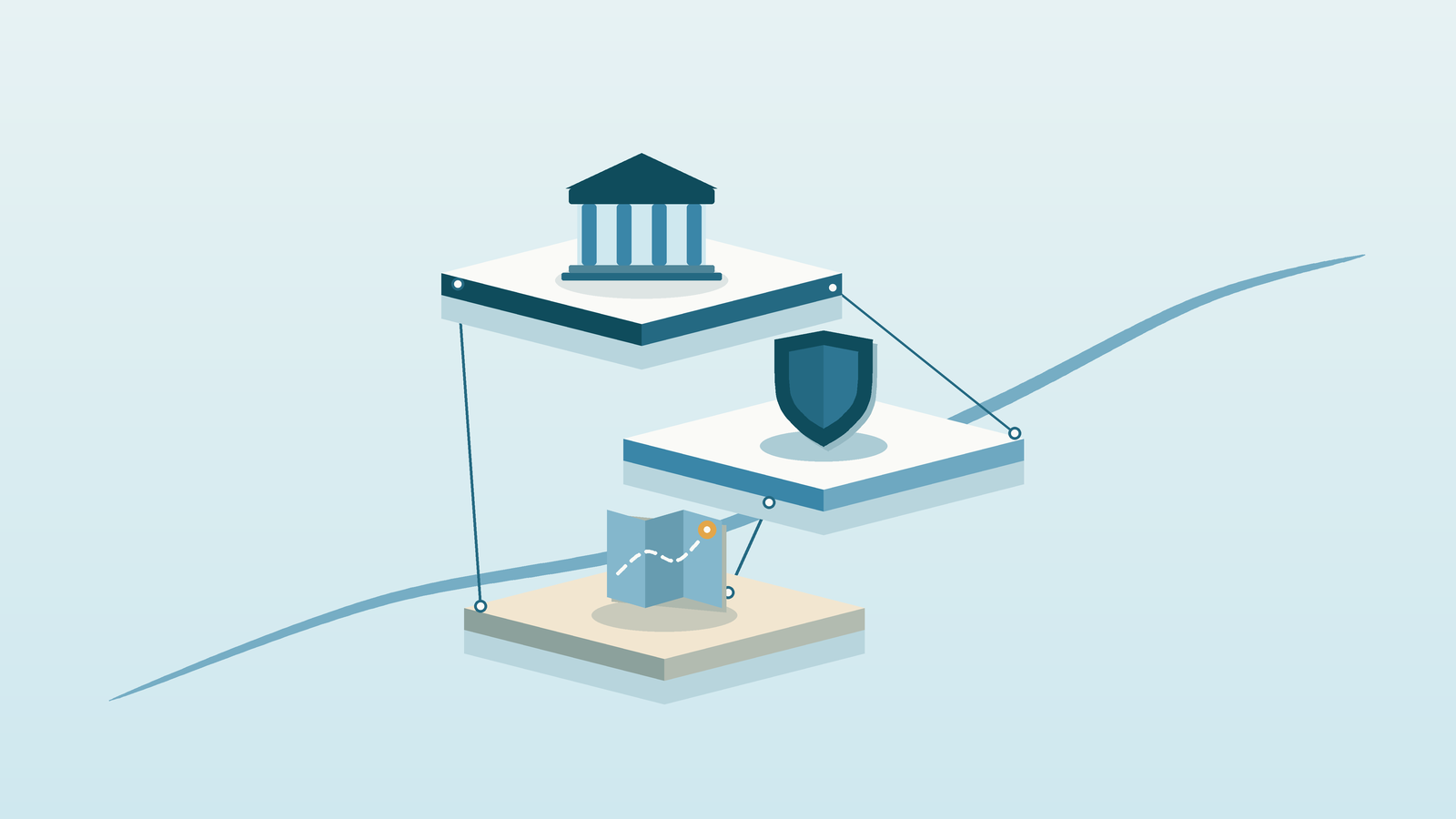
It helps to picture three layers of rules. Each layer has its own role, and they do not always line up neatly.
| Layer | Who sets the rules | What it can cover |
|---|---|---|
| Federal | Congress and federal agencies | Nationwide consumer protection laws and enforcement |
| Tribal | The tribe's government and its regulators | Licensing, lending codes, and dispute processes for tribal businesses |
| State | State legislatures and state regulators | Lender licensing and state lending rules for state-licensed companies |
For state-licensed lenders, the picture is fairly simple: state rules apply along with federal law. For tribal lenders, the relationship between tribal law and state law has been debated in courts and among regulators for years.
Outcomes in those debates depend on specific facts, such as how closely the lender is tied to the tribe. Because of that uncertainty, some tribal lenders choose not to lend in certain states at all.
What This Means for You as a Borrower
Sovereignty is a legal concept, but it has practical effects on your loan. Before you sign with any tribal lender, look closely at these parts of the agreement:
- Governing law. This section tells you which laws control the loan. Read it slowly.
- Dispute process. Many agreements send complaints to a tribal forum or to arbitration rather than a state court.
- Cost disclosures. Check the APR, the finance charge, and every fee before you agree.
- Where the lender operates. Confirm the lender serves your state before you share personal details.
Do not assume that every protection you would get from a state-licensed lender works the same way here. If a clause confuses you, ask the lender to explain it in plain language, and consider talking with a legal aid office.
How River Valley Loans Operates Under Tribal Law
We do business as River Valley Loans, and our legal name is Wahido Lending, which operates as a tribal lending entity under the Crow Creek Sioux Tribe. The Crow Creek Sioux Tribe is a federally recognized tribe in South Dakota.
Our loans are licensed under Tribal law. They are subject to Tribal law and applicable federal law, not State law. Borrowers who have a concern can file a dispute with the Tribe's Financial Services Licensing & Regulatory Commission.
You can read more about our ownership, license, and dispute process on our About page. The list of states where we currently lend is kept up to date on our rates and terms page, since it can change.
Common Misunderstandings About Tribal Lending
Tribal lending is often misunderstood. Here are a few mix-ups worth clearing up.
"Tribal lenders have no rules." A properly established tribal lender answers to its tribe's regulatory body and to applicable federal law. The rules are different from a state license, not absent.
"Tribal loans are all payday loans." Tribal lenders offer different products, and many focus on installment loans with scheduled payments over several months. Our comparison of tribal installment loans and payday loans walks through how the two differ.
"Tribal loans are a low-cost option." Loans from tribal lenders are often high-cost credit. Compare the APR and total finance charge with every other option you have.
"Any site using a tribal name is real." Scammers sometimes copy the names of real lenders. Our guide on how to spot loan scams explains how to check a website before you share anything.
Where to Learn More and Get Help
Federal agencies publish free, plain-language information about borrowing and your rights. The Consumer Financial Protection Bureau offers guides and accepts complaints about financial products at consumerfinance.gov.
The Federal Trade Commission shares tips on avoiding fraud and lets you report scams at ftc.gov. If your loan is from a tribal lender, the tribe's own regulatory body is another place to raise a concern.
Key Takeaways
- Tribal lenders are businesses owned by federally recognized tribes, which are sovereign nations.
- They operate under tribal law and applicable federal law, and they are overseen by a tribal regulator.
- How state law applies to tribal lenders has been debated, so some tribal lenders do not serve every state.
- Your loan agreement names the governing law and the dispute process, so read both before you sign.
- Federal resources from the CFPB and the FTC can help you learn more or file a complaint.
Frequently Asked Questions
What is a tribal lending entity?
A tribal lending entity is a lending business created or owned by a federally recognized tribe. It operates under the tribe's laws and is typically licensed and overseen by a tribal regulatory body.
Like other lenders, it must follow applicable federal law. The loan agreement from a tribal lending entity explains which laws govern the loan and how disputes are handled.
Does state law apply to a loan from a tribal lender?
It depends, and the question has been argued in courts and among regulators. Tribal lenders generally say their loans are governed by tribal law and applicable federal law rather than state law.
Some states disagree, which is one reason tribal lenders may not lend everywhere. For your own situation, read the governing-law clause and consider asking a legal aid office.
How are disputes handled with a tribal lender?
The loan agreement spells out the process. Many tribal lenders direct complaints to a tribal regulatory body, a tribal forum, or arbitration instead of a state court.
Before you borrow, find the dispute section, note who hears complaints, and keep copies of your agreement and any messages. That way you know where to turn if a problem comes up later.
Why doesn't every tribal lender serve every state?
Because the way state rules apply to tribal lenders is not settled everywhere, each lender makes its own choices about where to operate. Some avoid states where the legal picture is less clear or where local rules conflict with their model. The list can also change over time, so always confirm a lender serves your state before applying.
Where can I complain about a tribal lender?
Start with the lender itself, then use the dispute process named in your loan agreement, which may involve the tribe's regulatory body. You can also submit a complaint to the Consumer Financial Protection Bureau at consumerfinance.gov. If you think you are dealing with a fake lender or a scam, report it to the Federal Trade Commission at ftc.gov.