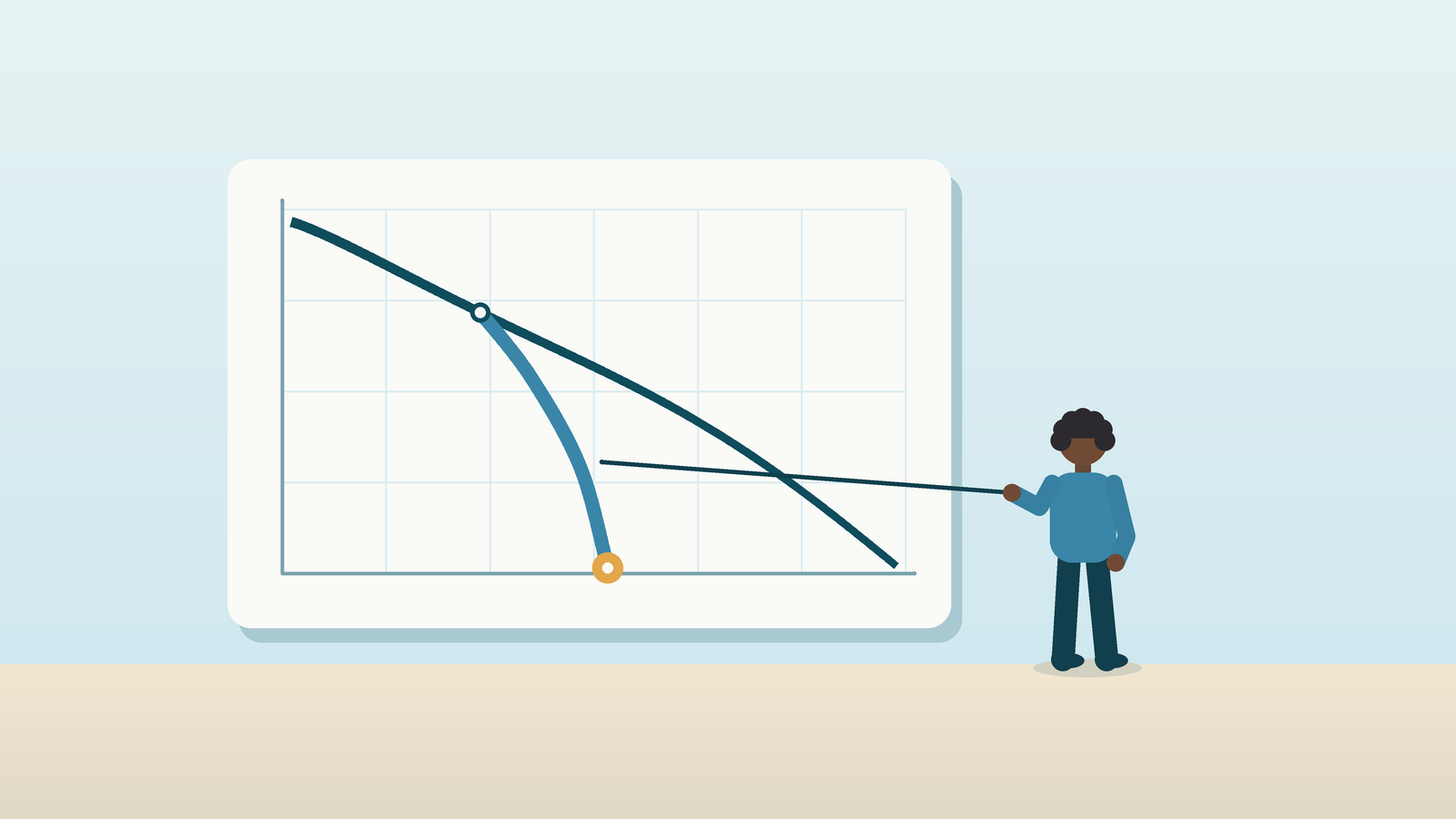
Before you pay, confirm those two points and get an exact payoff amount from your lender. This guide explains why early payoff can lower your cost, what to check first, and how to request a payoff figure the right way.
Why Paying Early Can Lower Your Cost
On a typical installment loan, interest is charged on the balance you still owe over time. The longer a balance stays open, the more interest it can collect.
Paying early shortens that window. When the balance goes away sooner, the interest that would have built up in later months never gets charged.
Extra payments work in a similar way. Each one can shrink the balance faster than your regular schedule, so less interest builds between payments.
Timing matters too. Money sent early in the life of a loan tends to save more than the same amount sent near the end, because it removes balance that would otherwise collect interest for many more months.
Two Ways to Pay Ahead
You do not have to pay everything at once to benefit. There are two common approaches.
| Approach | How it works | Good to know |
|---|---|---|
| Full payoff | You pay the entire remaining amount in one payment | Ask for a payoff quote tied to a specific date |
| Extra payments | You pay more than the scheduled amount, or add payments between due dates | Ask how extra money is applied to your balance |
A full payoff ends the loan and stops future interest right away. Extra payments are more flexible and can fit a tighter budget, since you can add a little whenever you have it.
If you choose extra payments, ask your lender whether the money goes toward the balance you owe or simply covers your next scheduled payment early. The answer affects how much you save.
What to Check Before You Pay Off an Installment Loan Early
A quick review of your loan agreement can prevent surprises. Look for these items:
- Prepayment penalty. Some loans charge a fee for paying ahead. If yours does, compare the fee with the interest you would save.
- How interest is calculated. Some loans use precomputed interest, where the total interest is set at the start. Early payoff savings on those loans can be smaller.
- Payoff amount versus balance. The balance on a statement is not always the same as the amount needed to close the loan on a given day.
- Scheduled autopay. If a payment is already set to come out, make sure your payoff does not overlap with it.
- Other costs. Check whether any unpaid fees need to be settled as part of the payoff.
How to Request and Use a Payoff Amount
A payoff amount is the exact sum needed to close your loan on a particular date. Because interest keeps building, the figure changes from day to day.
Follow this order to keep things smooth:
- Ask your lender for a payoff quote and the date it is good through.
- Pick your payment method and confirm how long that method takes to post.
- Pay on or before the good-through date so the amount still matches.
- Ask for written confirmation that the loan is paid in full.
- Check your bank account afterward to make sure no further scheduled payments come out.
Keep the confirmation with your records. It is your proof if a question ever comes up about the account.
If you pay by a slower method, such as a mailed money order, build in extra days. The payment needs to arrive before the quote expires, or the amount may come up slightly short.
Early Payoff Steps at River Valley Loans
River Valley Loans does not charge a prepayment penalty. If you pay off your loan early, you owe the amounts that have accrued up to your payoff date.
You can lower your total cost by paying the loan off early or by making extra payments on or between your due dates. Accepted payment methods include ACH autopay, which is the default, as well as debit card, cashier's check, and money order.
To make an early payment or change an upcoming payment, reach out at least 3 business days before your next scheduled payment. That timing gives us room to update your account before the next automatic payment goes through. You can find the ways to reach us on our contact page.
For the full picture of loan costs and fees, see our rates and terms page. If you want to understand how scheduled payments move through your bank, our guide to ACH autopay explains the process.
Is Paying Early Always the Right Move?
Paying ahead usually saves money, but it should not leave you exposed. Weigh these points first:
- Keep an emergency cushion. If an early payoff would drain every dollar you have, a single surprise bill could send you back to borrowing.
- Cover essentials first. Rent, utilities, food, and transportation come before extra loan payments.
- Compare your debts. If you carry more than one debt, putting extra money toward the most expensive one first often saves the most.
- Think about timing. A smaller extra payment now may be wiser than a big payoff that strains the next month.
A balanced plan can include both. You might set aside a small reserve, then put anything beyond that toward your loan. Our guide to building an emergency fund on a tight budget offers ideas for starting that reserve.
Key Takeaways
- Paying an installment loan off early can reduce the interest you owe over the life of the loan.
- Check for a prepayment penalty and how interest is calculated before you pay ahead.
- Always ask for a payoff quote with a good-through date, and get written confirmation afterward.
- Extra payments on or between due dates can lower your cost even if a full payoff is not possible.
- Keep a small cushion for emergencies so paying early does not lead to new borrowing.
Frequently Asked Questions
How do I find out my exact payoff amount?
Ask your lender for a payoff quote. The quote should list the total needed to close the loan and the date it is good through, since interest keeps building each day. Pay the quoted amount on or before that date, confirm the payment method's processing time, and ask for written confirmation once the loan shows as paid in full.
Do extra payments go toward the balance I owe?
It depends on the lender and how you send the payment. Some lenders apply extra money to the balance you owe, which can reduce future interest.
Others may treat it as an early version of your next scheduled payment. Ask your lender how extra payments are applied before you send one, and check your next statement to confirm.
What is precomputed interest?
Precomputed interest means the total interest for the full loan term is calculated at the start and built into what you owe. On loans set up this way, paying early may save less than you expect, depending on how the lender credits unearned interest. Your loan agreement should explain the method, so read it or ask before paying ahead.
Should I pay off my loan early or build savings first?
A mix often works best. Paying ahead lowers interest costs, but spending every spare dollar on a loan can leave you with nothing for the next surprise.
Many people keep a small reserve first, then send any extra money to their loan. Choose the balance that keeps your essentials covered and avoids new borrowing.
Will paying off a loan early change my credit score?
That depends on whether the lender reports the loan to the major credit bureaus. If it does, the account will show as paid, and your on-time history stays on your report. If the loan is not reported, paying early will not move your scores either way, though it still frees up room in your budget each month.